


Eat your way to a healthier brain
You are what you eat, so the saying goes, and when it comes to looking after your brain health, this is no exception. In fact, of all the lifestyle factors that affect our brain health, the food we eat is the one we have the most control over. Scientific research increasingly emphasises that a healthy, balanced diet is crucial for a healthy brain both in the short term (for day-to-day cognitive function) and in the long-term (potentially preventing the development of brain diseases).
There are many reasons for this:
- Eating the right foods helps to fuel and provide essential micronutrients our brain cells (neurons). It also makes them more efficient at transmitting information and making new connections between brain areas, helping our memory and learning. Indeed, people of all ages who eat a good diet report feeling sharper and more mentally agile
- Certain foods and drinks improve blood flow around the body, including the brain, providing fuel and oxygen to brain areas such as those used in memory and learning
- The right diet can help to reduce inflammation, which has been found to play a role in the development of neurodegenerative conditions such as Alzheimer's disease. Reducing inflammation in the brain and the rest of the body is also thought to facilitate optimum cognitive function
The 2017 AARP Brain Health Survey – which surveyed more than 1,000 adults aged 50 years and over in the U.S. – revealed that 75% of those who reported they ate well between five and seven days per week rated their brain health and mental sharpness as 'excellent' or 'very good'. But among those who said they rarely or never ate well, only around 40% reported their level of brain health as high.

Why food is so important for the brain
We know that food is fuel – and this is particularly the case when it comes to the brain. Despite only accounting for just 2% of your body weight, the brain accounts for 20% of the body's energy use. When we eat, nutrients from the food are carried to the brain through the bloodstream. These nutrients undertake a host of activities within the brain and the rest of the body. For optimal brain health, research shows we need a regular consumption of healthy fats, sufficient amounts of certain vitamins and minerals and also compounds derived from plants called polyphenols.
Separately, each of the three components will have a beneficial effect. But together, gleaned in sufficient amounts through a brain-healthy diet, they may work together to amplify the beneficial effects on the brain.
So why are each of these so important?

Fats
Healthy fats from oily fish – such as salmon and mackerel – as well as from seaweed and algae, are good dietary sources of omega-3 fatty acids. These fatty acids are crucial for brain health because they are an essential component of neurons, which allow them to make new connections with other neurons – allowing for more effective transmission of information between different areas of the brain. This, in turn, keeps us 'sharper', more attentive to complex tasks and allows for better memory. Omega-3 fatty acids have also been shown to reduce inflammation in humans, including that occurring in the brain – thereby helping to reduce the risk of dementia.

Vitamins
B VITAMINS Found in foods such as wholegrains, leafy green vegetables, eggs and meat, B vitamins play a vital role in providing energy for our brain. Indeed, many research studies have shown that low levels of certain B vitamins – B6, B12 and folate (or B9) in particular – can affect how well the brain functions as we age. These B vitamins act together to not only enable neurons to work more efficiently, but to also help clear out waste in cells so they can function optimally. This 'waste disposal' system is crucial to protecting our long-term brain heath. That's because the debris consists mostly of leftover proteins, which when left alone, can form clumps that are toxic to the brain. In particular, clumping of the protein amyloid beta (plaques) has been linked to a decline in cognition, memory, and overall brain function in people with Alzheimer's disease.
VITAMIN D There is also increasing evidence to suggest that vitamin D plays a role in brain health and mood. For example, some studies have found that people with lower levels of vitamin D performed less well in memory tests.
VITAMINS C and E Together these vitamins help to keep neuronal membranes (the boundary of the cell) secure. Neurons are highly susceptible to damage by oxidative and inflammatory stress, and if damaged can lead to brain cell loss.

Polyphenols
We often see news stories that claim certain foods and drinks – such as red wine, dark chocolate, berries and green tea – are good for our health. These foods and drinks are high in a group of plant compounds called polyphenols – particularly flavonoids and phenolic acids – that have been shown to have a beneficial effect on human health. When it comes to brain health in particular, polyphenols, especially flavonoids, are thought to be beneficial because they help to boost blood flow to the brain. This, in turn, helps to deliver more oxygen and nutrients, such as glucose – the main energy source for neurons. These natural plant compounds are capable of improving areas such as sustained attention and focus after consuming even a single portion of the food or drink containing them – and, in the longer term, result in improvements in memory and learning and to help slow down age-related memory loss.

The best foods to feed your brain
So which foods should we be eating regularly to keep our brains healthy – and which are best avoided?
A landmark report compiled by the Global Council on Brain Health (GCBH), an independent panel of scientists, doctors, academics and policy experts which provides trusted information on how to maintain and improve brain health, delivered several key findings.
A diet that's good for the heart is also good for the brain. This is because conditions such as high blood pressure, high cholesterol and diabetes contribute to the damage of tiny blood vessels in the brain as well as elsewhere in the body and can be exacerbated by diets high in saturated fat, refined sugars and damaging chemicals – such as alcohol. Furthermore, they also contribute to the level of inflammation in the brain. Such diets have also been linked with lower cortical thickness – thickness in the layers of the brain – which has been associated with having a negative impact on brain health and the occurrence of dementia later in life.
No single food acts as a silver bullet for improving or maintaining brain health.
The combination of different types of food and nutrients together in our diets likely determines health benefits. Indeed, there are various brain-healthy diet plans that have made the headlines over the past few years.
The most well-known are the Mediterranean diet; the DASH diet (Dietary Approaches to Stop Hypertension) - which focuses on decreasing portion size and salt intake; and the MIND diet (Mediterranean-DASH Intervention for Neurodegenerative Delay) - a combination of the two.
The Mediterranean, DASH, and MIND diets have been shown to reduce the risk of cognitive decline and dementia later in life from anywhere between 20% and 50% and have many foods in common.
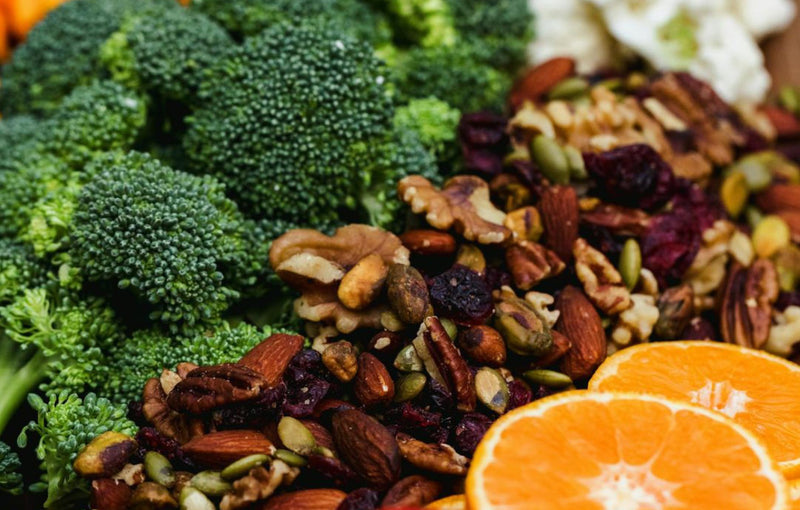
They all encourage a high intake of fruit, vegetables, oily fish and whole grains (such as oats, brown rice, wholegrain pasta), which are an important source of B vitamins, fibre and polyphenols.
They also advise a high intake of unsaturated fatty acids (particularly monosaturated fats such as those found in nuts, rapeseed oil and extra virgin olive oil, which also contains polyphenols) and other polyphenol-containing foods/beverages and a moderate wine and coffee/tea intake.
Importantly, they all advise cutting back on red meat and refined grains such as white rice, bread and sugar.

A daily prescription for brain health
In its landmark report, the Global Council for Brain Health made some key recommendations about what we should include in our diets. It grouped them into the following three categories:
- Foods to be encouraged (i.e. eaten regularly)
- Foods to be included
- Foods that should be limited
As you will see, the groups broadly mirror the recommendations of the three popular diets mentioned above…
Food to be eaten regularly

Fresh fruits
Fresh fruits especially berries, citrus fruits, apples, pears and plums - as these contain high levels of flavonoids, a type of polyphenol, which lower blood pressure and boost blood flow to the brain. Juices derived from these are not recommended as fibre and polyphenols are significantly lower in these due to the way they are processed.

Fresh vegetables
Fresh vegetables in particular leafy greens - as these may be particularly helpful in slowing cognitive decline. They're rich in brain-healthy nutrients such as folate (one type of vitamin B), vitamin K and beta-carotene.

Fish & seafood
Fish & seafood, most notably oily fish, as these are high in omega-3 fatty acids and protein content. Try to eat fish at least twice a week, one of which should be oily fish such as salmon, mackerel, and herring (these fish are also low in contaminants).

Healthy fats
Healthy fats such as those found in oils, including extra virgin olive oil and rapeseed oil.
Nuts
Nuts are an excellent source of protein and healthy fats. But remember as nuts are high in calories, limit to a handful a day.
Foods to include in your diet

Beans / Legumes
Beans / legumes are a good source of protein and fibre, and are packed with B vitamins. These vitamins help cells to produce energy and 'talk' to each other – and are vital for the proper functioning of the brain and nervous system – helping to make the chemical messengers that pass signals between nerves.

Fruits
Fruits a rich source of polyphenols, and the nutrients from fruit and vegetables supply the brain with fuel in the form of glucose. The fibre in these foods also helps boost 'good' gut bacteria, which in turn benefits brain health.

Poultry
Poultry - such as chicken and turkey - is high in protein, which is broken down by the body into amino acids to help create and repair damage to brain cells.

Whole Grain
Whole grain is rich in B vitamins, which help supply the brain with fuel in the form of glucose, and are crucial for energy. Again, the fibre in wholegrains also helps boost 'good' gut bacteria, which in turn benefits brain health.
Foods to limit

Fried Food, Pastries, and Processed Food
Fried food, pastries, and processed foods are often high in saturated fat and/or refined sugar and salt – all of which have been shown to be bad for brain health. Saturated fat increases the risk of developing heart disease, stroke and type 2 diabetes. All of these diseases can harm the brain and increase the risk of cognitive decline. Some research has shown that a high sugar intake is also associated with lower cortical thickness, which is in turn associated with higher risk of mild cognitive impairment and dementia later in life.

Red meat and Related Products
Red meat and related products can be a rich source of brain-boosting vitamin B12, but because red meat can be high in saturated fat, and processed products can be high in salt, it should only be eaten once or twice a week.

Whole Fat Dairy
Whole fat dairy such as cheese and butter - is high in saturated fat, which has been linked with cognitive decline. According to the Global Council for Brain Health report, a diet that is higher in unsaturated fats and lower in saturated fats is linked to better cognition.

Excessive Salt Intake
Excessive salt intake can contribute to high blood pressure, which is an important risk factor for stroke - which is detrimental to cognitive health.

The World Health Organisation also recommends
- Eating at least five portions of fruit and vegetables a day.
- Eating no more than 50g (12 level teaspoons) of free sugar (sugar added to food or found naturally in fruit juice, honey and syrup) a day.

What about alcohol
For many people, red wine is synonymous with the Mediterranean diet. But have its oft-touted health benefits been overstated? While there may be benefits due to the polyphenols found in the drink, for example red wine is high in flavonoids, what's key is portion size and how often it's consumed.
The Mediterranean and MIND diets typically include a moderate amount of wine – defined as no more than 148ml a day (that's less than a standard 175ml serving in a pub, for example) for women and 296ml a day for men – consumed with a meal. Drinking any more than that could have a negative impact on your brain health.

Tea & Coffee
It's better news on this front. Several studies have suggested a link between drinking tea and coffee and a decreased risk of cognitive decline and dementia. The widely-held theory is that the polyphenols in tea and coffee may be the reason. However, the jury is still out on the exact amounts that could be beneficial for brain health.

Research Details
Brain-Food GCBH Recommendations on Nourishing Your Brain Health. Global Council on Brain Health 2018
Jernerén F, Elshorbagy, et al. Brain atrophy in cognitively impaired elderly: the importance of long-chain ω-3 fatty acids and B vitamin status in a randomized controlled trial. The American Journal of Clinical Nutrition 2015; 102: 215-221
Mayne P, Burne T, Vitamin D in Synaptic Plasticity, Cognitive Function, and Neuropsychiatric Illness. Trends Neurosci 2019; 42: 293-306
McEvoy C, Leng Yue, et al. Interventions involving a major dietary component improve cognitive function in cognitively healthy adults: a systematic review and meta-analysis. Nutrition Research 2019; 66: 1-12
Miquel S, Champ C, et al. Poor cognitive ageing: Vulnerabilities, mechanisms and the impact of nutritional interventions. Ageing Research Reviews 2018; 42: 40-55
Moore K, Hughes C, et al. Diet, nutrition and the ageing brain: current evidence and new directions. Proceedings of the Nutrition Society 2018; 77: 152-163
Muskiet F, Fokkema R, et al. Is Docosahexaenoic Acid (DHA) Essential? Lessons from DHA Status Regulation, Our Ancient Diet, Epidemiology and Randomized Controlled Trials, The Journal of Nutrition 2004; 134: 183-186
Oulhaj A, Jernerén F, et al. Omega-3 Fatty Acid Status Enhances the Prevention of Cognitive Decline by B Vitamins in Mild Cognitive Impairment. J Alzheimers Dis 2016; 50: 547-557
Rendeiro C, Guerreiro J, Williams, C, Spencer, J. Flavonoids as modulators of memory and learning: Molecular interactions resulting in behavioural effects. Proceedings of the Nutrition Society 2012; 71: 246-262
Rendeiro C, Rhodes J, Spencer J, The mechanisms of action of flavonoids in the brain: Direct versus indirect effects. Neurochemistry International 2015; 89: 126-139
Smith D, Refsum H. Homocysteine, B Vitamins, and Cognitive Impairment. Annual Review of Nutrition 2016; 36: 211-239
Smith D, Refsum H, et al. Homocysteine and Dementia: An International Consensus Statement. J Alzheimers Dis 2018; 62: 561-570
Vauzour D, Camprubi-Robles M, et al. Nutrition for the ageing brain: Towards evidence for an optimal diet. Ageing Research Reviews 2017; 35: 222-240
Read more in the journals







The Brain Health Method: The Power of Six
Six guiding pillars to help you stay sharp, feel good and reduce the risk of neurodegeneration.


